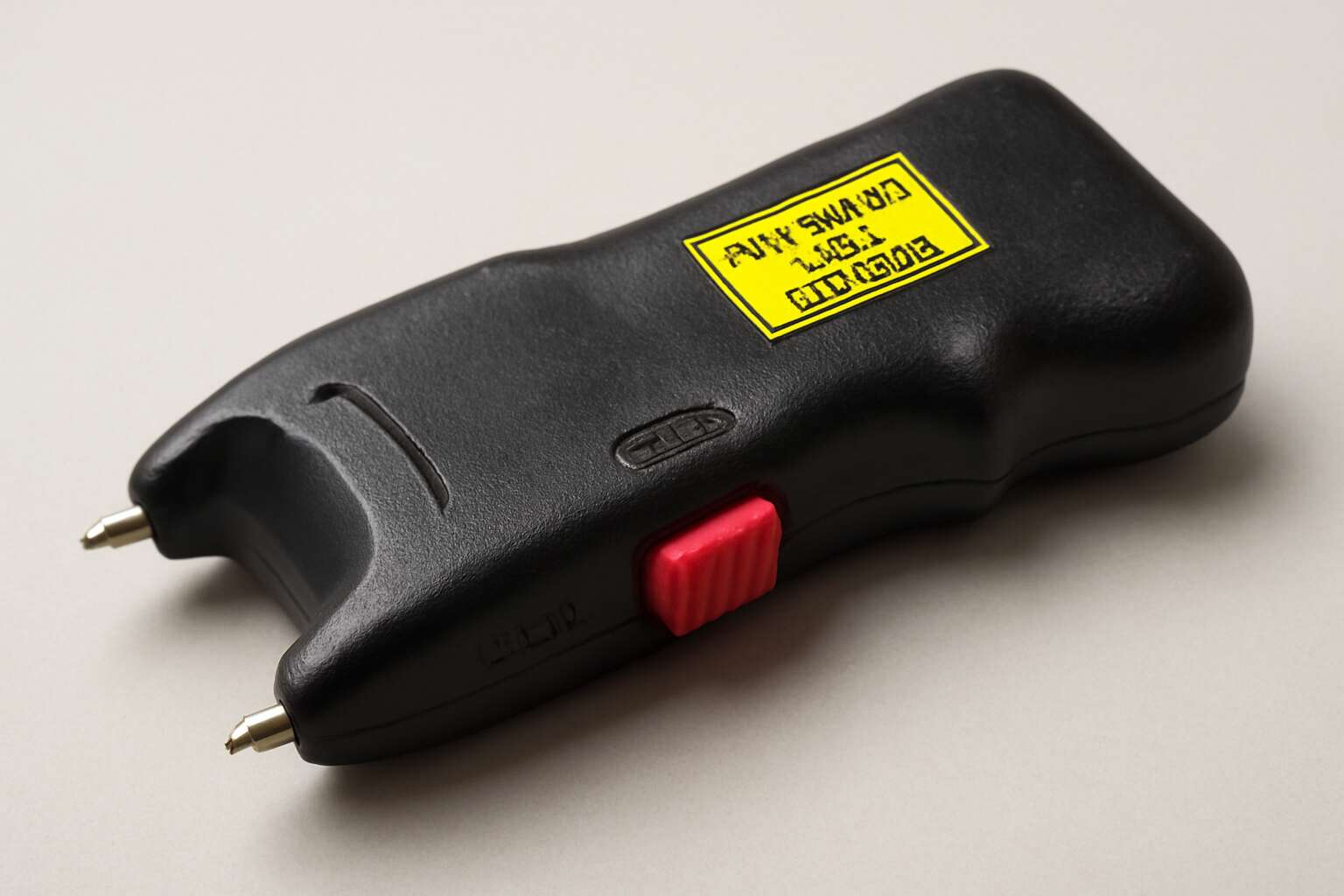
Stun Device Safety and Effectiveness Overview
Stun Gun Basics and How They Work
In the hush between streetlights and the night, a single device can tilt a moment toward safety. “Preparation is defense,” says a seasoned South African security consultant, and that mindset shapes every stun-device discussion.
Stun Device Safety and Effectiveness Overview: In SA, design and reliability matter as much as intention. Understanding power-up, safety features, and expected duration helps answer the question: is stun gun dangerous.
Stun Gun Basics: A stun gun is a compact tool that delivers a high-voltage, low-current pulse, disrupting muscle function for a short moment. It isn’t a firearm, and it demands respectful, contextual use.
How They Work: The core idea is a brief, high-voltage discharge across two electrodes. Key elements are the battery, activation method, and safety guards.
- Power delivery: high voltage, low current
- Pulse timing and control
- Safety features and legal compliance
Health Risks and First Aid Considerations
In a city where personal safety is a daily negotiation, the question is: is stun gun dangerous? Design, training, and respect matter. A device that disrupts muscle function in seconds should be considered with sober eyes and measured caution. “Preparation is defense,” says a seasoned South African security consultant, guiding every stun-device discussion.
Stun devices are not harmless toys. They deliver a high-voltage pulse with low current, which can cause temporary disorientation, burns at contact points, and, in vulnerable individuals, heart or seizure risks. Properly maintained units with safety features and legal compliance reduce danger, but risk to bystanders and misfires remains real.
- Assess responsiveness and breathing after exposure
- Call emergency services if chest pain, fainting, or breathing difficulty develops
- Seek medical evaluation for burns or prolonged symptoms
Ultimately, responsible use hinges on awareness of risk and adherence to local laws.
Legal Status and Responsible Use Across Jurisdictions
The city hums with risk, and a blunt question floats through the air: “is stun gun dangerous.” The answer isn’t black and white; it hinges on context, training, and restraint. A seasoned South African security consultant would add: preparation is defense, and power demands careful handling.
Stun devices are engineered to disrupt nerve and muscle signals in seconds, but safety rests on design, maintenance, and respect for limits. A misused unit—especially in crowded spaces—can cause disorientation, burns, or unintended shocks to bystanders. Properly equipped units with interlocks and compliance reduce risk, yet danger lingers when knowledge is scant.
- Follow manufacturer instructions and safety features
- Regular battery and contact-point checks
- Secure transport and access controls
Legal status and responsible use vary across jurisdictions. In South Africa, personal defense tools sit within evolving regulatory frameworks, so awareness of current laws matters for both individuals and organizations. Understanding these boundaries helps shape prudent use in public spaces and during training sessions, rather than courting needless confrontation.
Effectiveness, Limitations, and Real-World Use
Stun devices promise a brief disruption of nerve and muscle signals, enough to deter a threat, but the question: is stun gun dangerous isn’t a simple yes or no. Effectiveness hinges on design, battery health, contact quality, and the target’s physiology, with real-life outcomes often variable.
Limitations emerge quickly in the field: clothing, distance, and adrenaline can blunt effects; a crowded space or misdirected shock may threaten bystanders. Even high-quality units carry residual risk when used without appropriate training or respect.
Real-world use rests on professional protocols, steady maintenance, and compliant deployment in South Africa. For organizations, this means partnering with reputable suppliers and staying aligned with local laws to shape prudent, accountable use rather than confrontation.
Selecting the Right Device and Safety Features
“Power is nothing without control,” mutters a veteran of South Africa’s security scene, and the sentiment sticks. Stun devices promise a brief disruption of signals to deter a threat, but field outcomes aren’t carved in stone. Design, battery health, contact quality, and the target’s physiology all shape what actually happens in practice.
The question is is stun gun dangerous, and the verdict isn’t a tidy yes or no. Selection should emphasize robust construction, dependable safety features, and clear indicators of battery health. These elements help ensure the device performs when needed and minimizes collateral risk.
Key safety features and design considerations:
- Durable housing with a non-slip grip
- Visible safety mechanisms to prevent accidental discharge
- Battery health indicators and straightforward recharge options
In the South African context, sourcing from reputable suppliers and maintaining units aligns with local regulations to shape prudent, accountable deployment rather than escalation.
Myths, Concerns, and Public Perception
In crowded city spaces, a single, well-timed deterrent can shift an encounter, yet public sentiment often misreads it. A recent survey found nearly 7 in 10 urban dwellers would consider non-lethal options for personal safety. The recurring question is is stun gun dangerous, shaping caution and expectations about when and how these devices should be used.
Myths and concerns run parallel to reality:
- They don’t guarantee instant compliance or silence in chaotic scenes.
- Safety features and battery health matter more than rumors of painless incapacitation.
In the South African context, responsible use hinges on design quality, clear indicators, and public education about limits and risk. Perception remains a powerful force that can drive both prudent preparation and unnecessary panic.

0 Comments